It can be really tough to know how to get started investing. There are TONS of methods and options and knowing how to choose is tricky.
Everyone needs a platform or service to use when investing, so I’ve outlined my favorites below. I personally invest with every one of these platforms!
The important thing is that you get started somewhere! Don’t sweat the small stuff!
Online/Desktop Investing

Vanguard is the gold standard overall for investing accounts. They literally created the index fund! With very low fees and an impeccable track record, Vanguard is an excellent choice.
Years ago when changing careers I rolled over my 401k into an IRA at Vanguard and still have it. Since then I have opened a Roth IRA there along with a custodial account for our child.
The website and app are not beautifully designed and the easiest to interact with. Also the apps below help to teach a beginner more about the basics of investing, so depending on what you’re looking for they may or may not be a better option.
Investing Apps
We do almost everything on our phones and tablets, so why not do our investing there too? There are several excellent options to choose from, all of which have reward incentives if you choose them. The list below are ALL services I currently use.
Easiest and most intuitive for total beginners: Acorns

Acorns is designed to help someone finally start investing who has never invested before and perhaps thinks they don’t have the money! It helps you find the money hiding in your own account. Basically you link your bank or credit card accounts to Acorns and it reviews your transactions. It automatically rounds up your purchases to the next dollar, then invests that small amount.
Over time this simple round-up investing can accumulate to quite a lot (or grow into a “mighty oak” as the app likes to remind me. *eye roll* Ha! It does a great job of showing you what your account could be worth in the future with enough regular investments and time in the market.
Automating your investments in any way is a massively helpful way to build wealth! It circumvents your thoughts and fears and becomes your “new normal”. Investments are paid out just like bills set on “auto”. It takes the self-negotiation out of the realm of possibility and just makes it happen!
Acorns really encourages you to set up automatic deposits outside of round-ups too. There are a lot of options on how to structure it based on how aggressive you want to be. You can even multiply the round-ups. This subtle but persistent encouragement to increase how much you invest over time is the kind of positive pressure we need to feel.
One of my favorite features is an interactive graph that does an incredible job communicating what your account balance “could be” if you would just stay the course and continue investing. They call it “Potential” and it allows you to project what the impact of a few changes today could result in at retirement. What does adding a $5 daily deposit do? What does shortening my investment timeline do? Answering these questions is normally cumbersome. Overall this is something that people regularly attempt to explain, but it falls on deaf ears. Or maybe confused ears. Simplicity is key!
Here’s an example of the “Potential” screen based on my account:
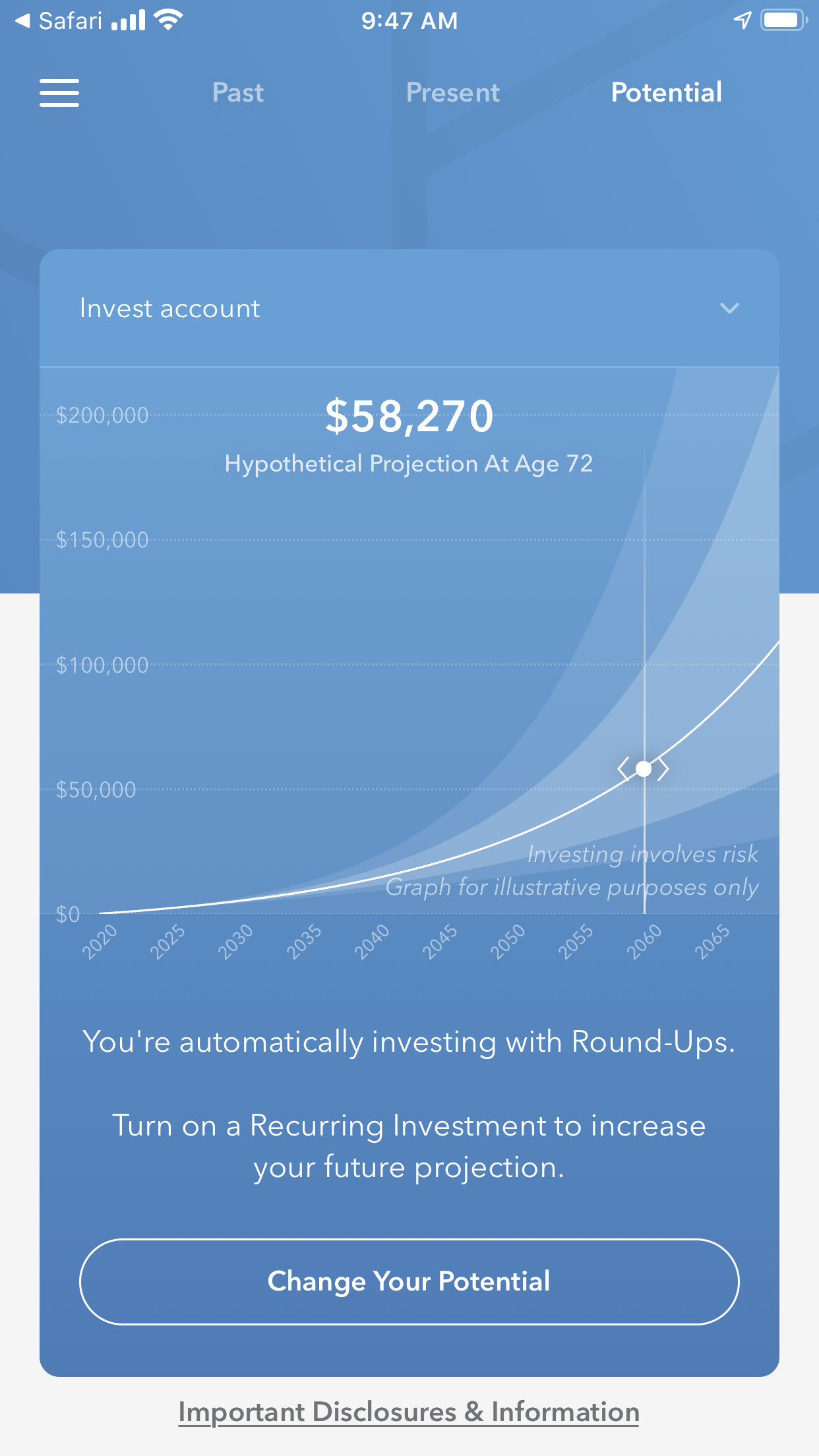
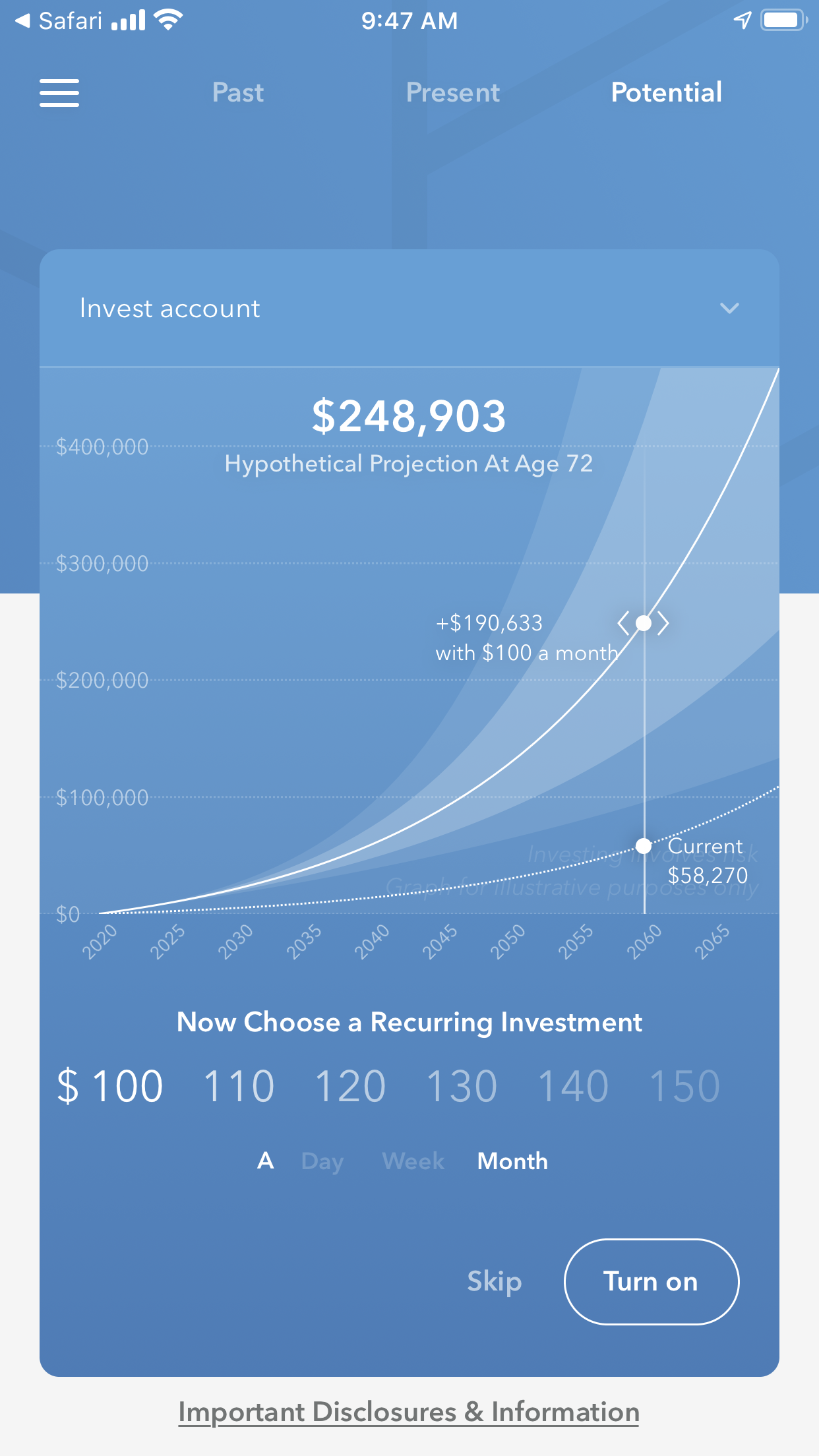
I’ve only just started using Acorns so my account balance is low but the goal is to allow it to trickle in extra money here and there and help us save more. Sort of a subtle automated increase in how aggressive we are.
Start investing with Acorns today! Get $5 when you use my invite link: https://acorns.com/invite/DUH7FU
Best for most people: M1 Finance

M1 Finance is my all-around favorite investing service. You may have never heard of it. I hadn’t either until a couple years ago they mentioned it on the Choose FI Podcast. They are a relatively new platform, starting in 2015 and gaining rapid popularity since then.
Here’s why it’s my favorite: M1 charges no commissions, makes investing feel easy, and beautifully displays everything on their easy to navigate app. They share the no-commission structure like so many other investing platforms which is incredible. There is not a significant benefit (historically) to paying a high fee to allow someone to actively manage your accounts. Free is the way to be!
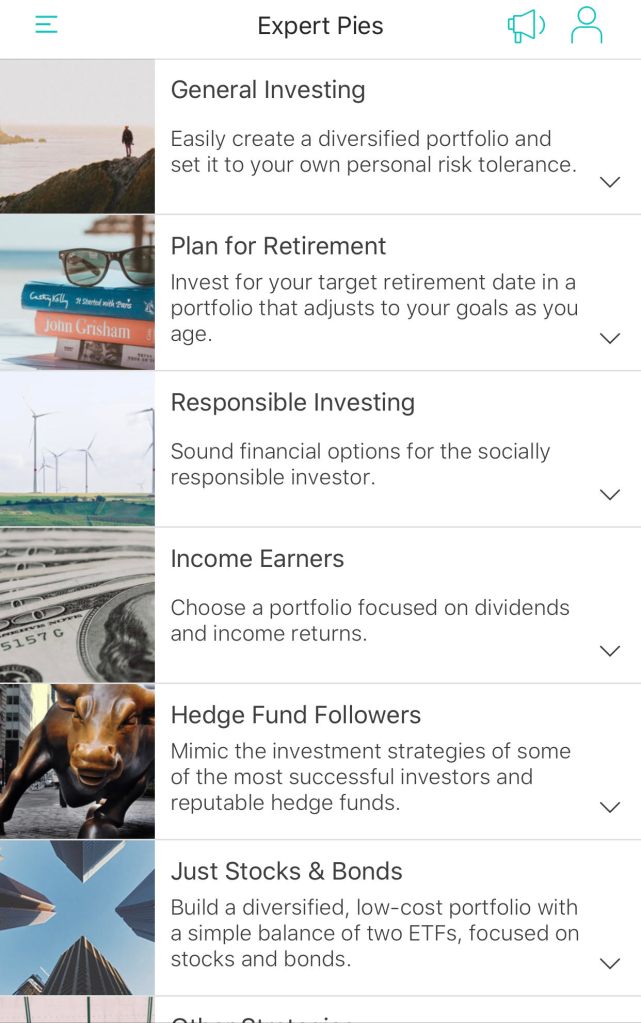
M1 puts you in control but makes choosing the investments you want easy. They display your choices in a pie graph, which is aptly named: My Pie. You can do research and develop new “Pies” or even share your pies with other people if they want to see what you have chosen. It’s an intuitive way of communicating that is easy to pick up right away. If you really want to make it easy, you can choose an “Expert Pie” and pay a relatively small expense fee (around .11%) to use a pre-made mix of investments based on whatever your goals are.
My current pie if you’re interested! https://m1.finance/rjY44pHtM
M1 also does not emphasize the momentary shifts in the market like Webull and Robinhood, so its a subtle encouragement to ignore them. As we should! Most of us aren’t day-traders and don’t care about the hourly performance of our latest call or put. We long-term investors don’t need to see that we gained or lost $100 in value today. We aren’t going to sell all of our investments tomorrow, so who cares!
M1 also has features that are gaining popularity among other investing platforms like a debit card and borrowing against the value of your investments. These along with the expert pies are some of the ways they make money as a company and can offer their basic investing service totally FREE.
Fractional shares are available with M1 but not with the next 2 recommended platforms. If you’re not familiar a fractional share is a piece of a share of a company. It means that you can invest in whatever you want without having to save up the amount of a whole share of a company. Or it means you can invest all of your available money immediately, not parsing it out into X number of shares, then waiting to get more. Basically its convenient!
If I had to only invest with 1 company it would be tough to choose between M1 and Vanguard. But if you really want an intuitive interface, M1 is the way to go.
Start investing with M1 Finance and get $20 when you fund your account! https://mbsy.co/F7PVH
Best for intermediate/advanced investors or people who love all the data and details available: WeBull
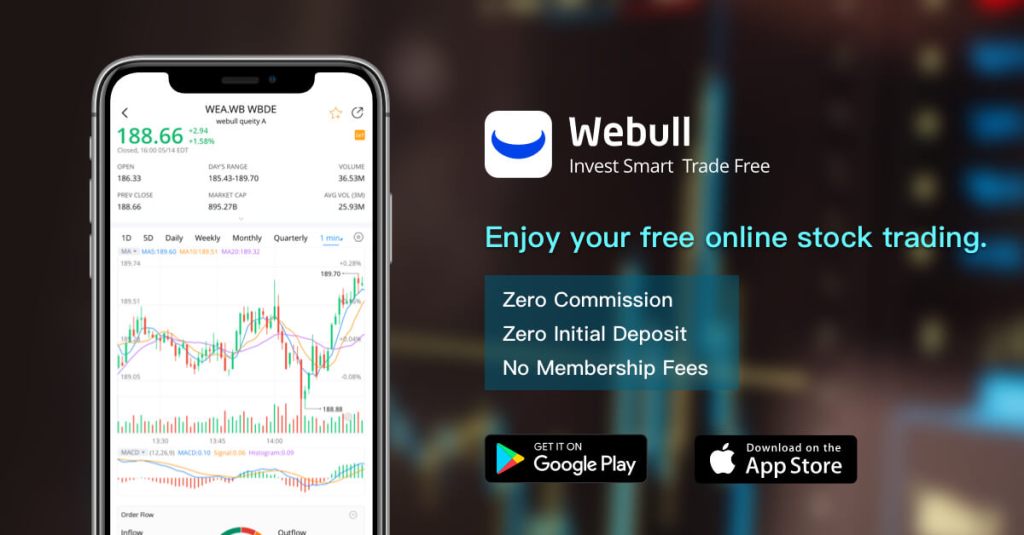
Webull is also commission free, also allows you to invest from anywhere through the app, and also shows you how you’re investments are doing relatively simply. However, it also has massive amounts of data and info readily available if you want to dive deeper.
This can be great if you’re curious or specifically want in depth detail on a company’s financials or how a stock has been trading in the past 24 hours. But if you don’t care at all about that stuff, it has the possibility of just being confusing. There are a lot of numbers and graphs all over the app and a lot of people don’t find THAT much information helpful.
If that is the case for you, choose M1 Finance or Robinhood for mobile investing. They are both simpler and more straightforward in the information they regularly show you. Also, as stated above, Webull does not currently offer fractional shares. Keep reading below for more on why I prefer M1 over Robinhood.
Get 2 free stocks when you open and fund your account with Webull through my link: https://act.webull.com/i/PdEEGlxoilJO/vy7/wb_deposit_us_01
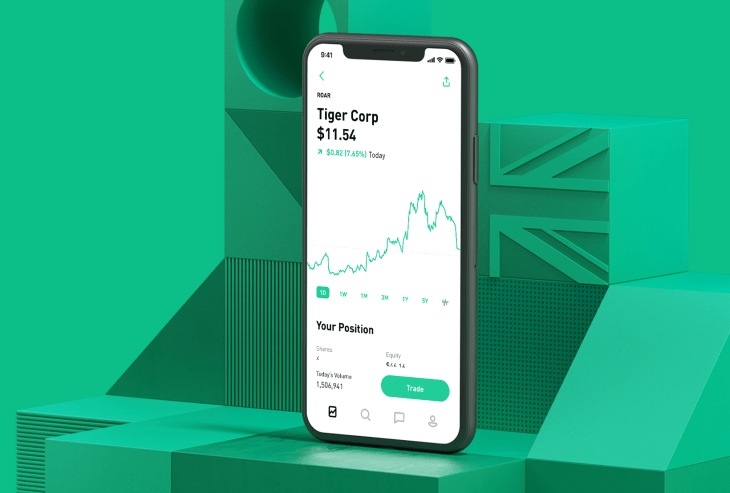
Best for the investor who loves proper app design and may want to day-trade. A favorite for millennials: Robinhood
Robinhood has caused a cultural shift in the investing world. With their slick mobile interface and commission free trading, they burst into the investing world abruptly. Trailblazing often allows more people to follow behind you and that’s whats happened with many other commission free platforms.
Robinhood is still an excellent option. It is simple and extremely easy to use. The design is appealing and oddly futuristic. There is probably no simpler way to invest. Plus you get a free stock just for joining Robinhood.
After discovering their weekly newsletter they send out (for Free!) via email, I gained even more respect for the service. It’s called Robinhood Snacks Never have I seen stock market movements described in such a fun and interesting way! Highly recommend it even if you choose to invest elsewhere.
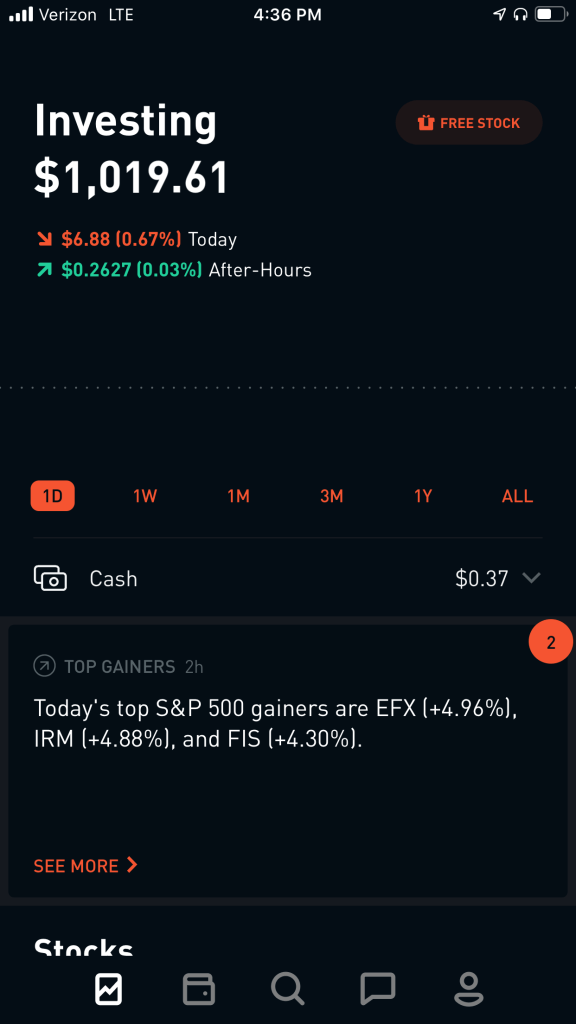
Despite all the positives, one element of Robinhood is a big negative in my opinion: the emphasis on daily market movements. When you open the Robinhood app you’re taken to the home page where your overall balance is displayed. It will jump up and fall down frantically as the movements of the investments rise and fall in value. Also, a feature that could be good but I think again falls into the “negatives” is the daily market update articles also displayed on the home page.
Here’s why these are negatives: they are training you to know and care about the daily movements of your investments and the market as a whole. My investing philosophy is the same for everyone: buy and hold. Choosing wisely when you invest then virtually forcing yourself to forget about it is the only way to not be swayed by the emotional turmoil of a market downturn. Seeing your balance rise and fall throughout the day only tempts you to attempt to time the market. The problem is, even the best expert investors fail at this game of picking and choosing specific investments. Instead, choosing an index fund will likely always perform better in the long haul.
If you’d like more information on this topic here is an interesting article comparing the correlation between financial literacy and choosing actively managed funds despite the data proving this to be a generally bad plan. Also, Warren Buffet wants his estate to be kept in index funds so that’s a pretty massive testament to his trust in their future success.
My advice to the trustee couldn’t be more simple: Put 10% of the cash in short-term government bonds and 90% in a very low-cost S&P 500 index fund. (I suggest Vanguard’s.) I believe the trust’s long-term results from this policy will be superior to those attained by most investors — whether pension funds, institutions or individuals — who employ high-fee managers.
-Warren Buffet (in his annual letter to shareholders 2014 pg. 20)
Robinhood also does not yet offer fractional shares but I would be surprised if this isn’t coming in the near future.
You now have a claim to a stock like Apple, Ford, or Facebook. In order to keep this claim to your stock, sign up and join Robinhood using my link. https://join.robinhood.com/brendab533
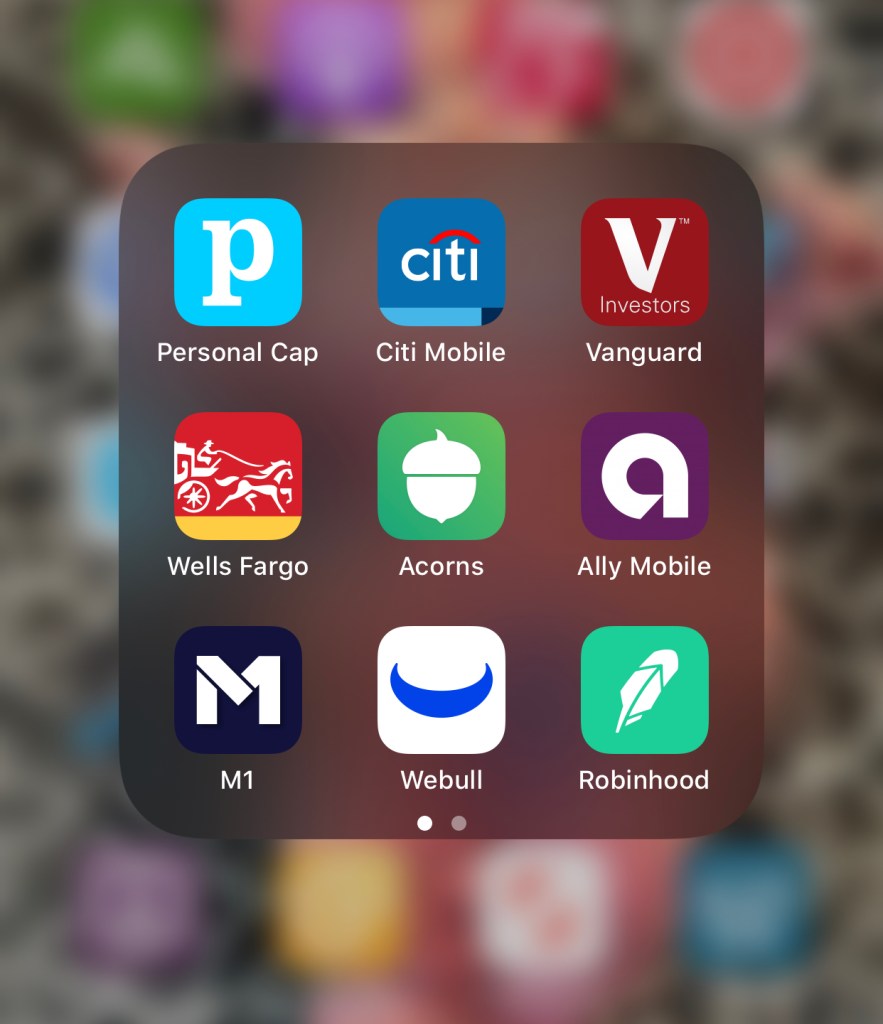
A screenshot from my phone showing the investing apps I use. I specifically kept Robinhood and Webull to conduct a passive income experiment and document the results here! Let’s see which is best!
Disclaimer: I am not a certified financial planner and hold no formal education or training in the field of investing or personal finances. Any and all information on this site is for entertainment purposes only and is not necessarily applicable to the reader’s personal situation and circumstances.
 Abacus Fitness and Money