Everyone loves the sound of earning money without having to spend any time or effort! What’s NOT to love?

Lately there has been a massive uptick in the popularity of “passive income” related content and strategies. Of course the concept is intriguing but it should be met with healthy amounts of questions and skepticism.
- If passive income is so easy, why don’t more people take advantage of it?
- If we can “make money while you sleep”, shouldn’t everyone be doing this?
- How realistic are the claims being made by these smooth talking, promise-slinging geniuses of all things money?
- Is this the way rich people became rich?
If you pay attention and listen between the alluring and ever-hopeful promises of the passive income gurus you may begin to realize that this income isn’t quite as passive as the name implies. Generally people either need large sums of money to generate regular income and/or it takes additional work to generate this income. So…not really passive at all. Quite active actually.
Earning the money needed to investment is active. And a side job called “real estate rental property” is far from passive. Other options include selling a product online, making an online course, selling stock photography, affiliate marketing, YouTube ad revenue, peer to peer lending, vending machines, drop shipping, renting items you already own, crowdfunded real estate, and the list goes on. Do you see the common theme? Startup money + hard work= the possibility of income. To me, that’s just the bones of starting a business.
Startup money + hard work= the possibility of income. To me, that’s just the bones of starting a business.
-truth hurts
So what is actually passive?
If income is to be TRULY passive it needs to require ZERO time or effort on your part. If you want to input extra time to monitor your progress or contribute work to potentially add value, that’s optional. In my mind the best and most passive sources of income have to be from the stock market.
The stock market is a complex, moody beast of a thing but we can choose to make it more or less so. Indexed funds allow us to invest in a low cost and automatically well diversified group of companies or funds without having to get an MBA or understanding a business prospectus statement. But there are people who still love to pick their own stocks and insist they are successful at choosing the ones that net them great passive income.
The experiment:
So to save you the headache and to satisfy my own curiosity I am going to invest in both ways: indexed funds and individual stocks. Not only that, I am choosing to invest specifically in companies and funds that have a track record of paying regular dividends to their investors.
Dividends are a portion of the profit made by the company that they choose to send to their investors. Generally companies that choose to pay dividends make this a regular occurrence. The most common schedule is quarterly payments, but that can vary wildly.
People like to recommend their own way of thinking when it comes to picking “good” stocks. They decide by reading about the company, looking at financial statements, mimicking other investors, or my personal “favorite”: if you “know the product and like it”. PLEASE read into the sarcasm here. That’s my “favorite” strategy because its so completely silly. Whether or not a company makes a product you personally like as 1 lowly consumer really has ZERO bearing on whether it’s a worthwhile investment. (Yes Apple, Tesla, Netflix, Facebook, and others have skyrocketed in value. And yes if you’d invested in them early on that would have been great. But for those of us who are getting started investing and don’t want the kind of risk associated with one stock rising and falling in value, there are other options)
In contrast to this method of choosing companies 1-by-1 I will also be investing in a number of funds that are a massive variety of companies that have a great record of paying their investors regular dividends. The benefit of these kinds of funds over a single company is that they are spreading your money over dozens or hundreds of companies. So if a few losers don’t pay a dividend this quarter, have a terrible year, or go out of business, it doesn’t hurt very badly. In contrast, if you’re expertly chosen gamble on that one company you think is “cool” happens to not work out, there goes your whole investment.
You can probably accomplish your entire goal of a relatively safe and good performing dividend investment with just 1 fund. However, in an effort to be as diverse as possible to prove the point, I will invest in several different funds full of dividend paying companies.
These 2 strategies will likely have some overlap since the handful of companies I pick will likely be included in the big funds in the other half of the investment experiment. So it’s not meant to single them out as good or bad or to judge my ability to pick a winner. It’s more to show the possible swings in performance and risk you accept when picking a small number of companies vs letting a fund do that work for you.
The 2 $1000 bets:
To complete this experiment I am using $2000 total. $1000 will go into the handful of individual stocks that are picked based on popular opinion and their track record for paying dividends reliably in the past. The other $1000 will be invested in a small number of dividend index funds. That’s it. They get to sit and stew and we will watch the rise and fall of their value as well as the actual amount of “passive income” that is generated by each account.
Contender #1: Robinhood
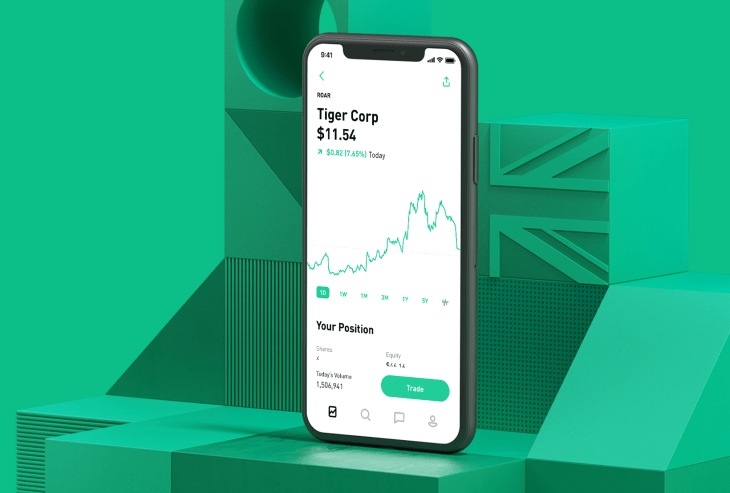
For the individual stock account I am using Robinhood. It is a tremendously popular app for people to use when getting started investing and is geared toward picking individual stocks and monitoring them closely.
You now have a claim to a stock like Apple, Ford, or Facebook. In order to keep this claim to your stock, sign up and join Robinhood using my link.
Contender #2: Webull
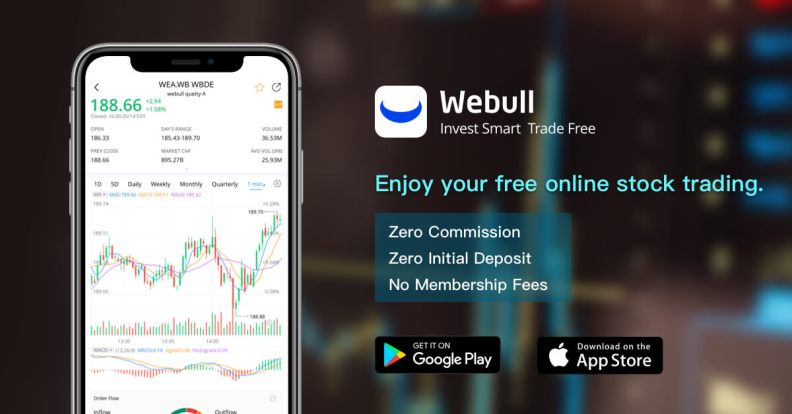
For the diversified index funds of companies I am using Webull. Webull is not nearly as popular as Robinhood but gives the user a TON of information about their investments. Far more than I ever want or need. But it’s impressive and if you’re wanting that kind of depth in your investment monitoring, Webull is the app for you. It also has a browser-based dashboard that shows a wealth of live updating detail and is guaranteed to help you feel like a stock broker in a movie scene!
Get 2 free stocks when you open and fund your account with Webull through my link:
For a more complete breakdown on what investing services I recommend and why, check out my investing page here!
Stay tuned for updates as the dividends roll in! I will post the breakdown of companies and funds as well as the exact dividends they paid!
Disclaimer: I am not a certified financial planner and hold no formal education or training in the field of investing or personal finances. Any and all information on this site is for entertainment purposes only and is not necessarily applicable to the reader’s personal situation and circumstances.
 Abacus Fitness and Money